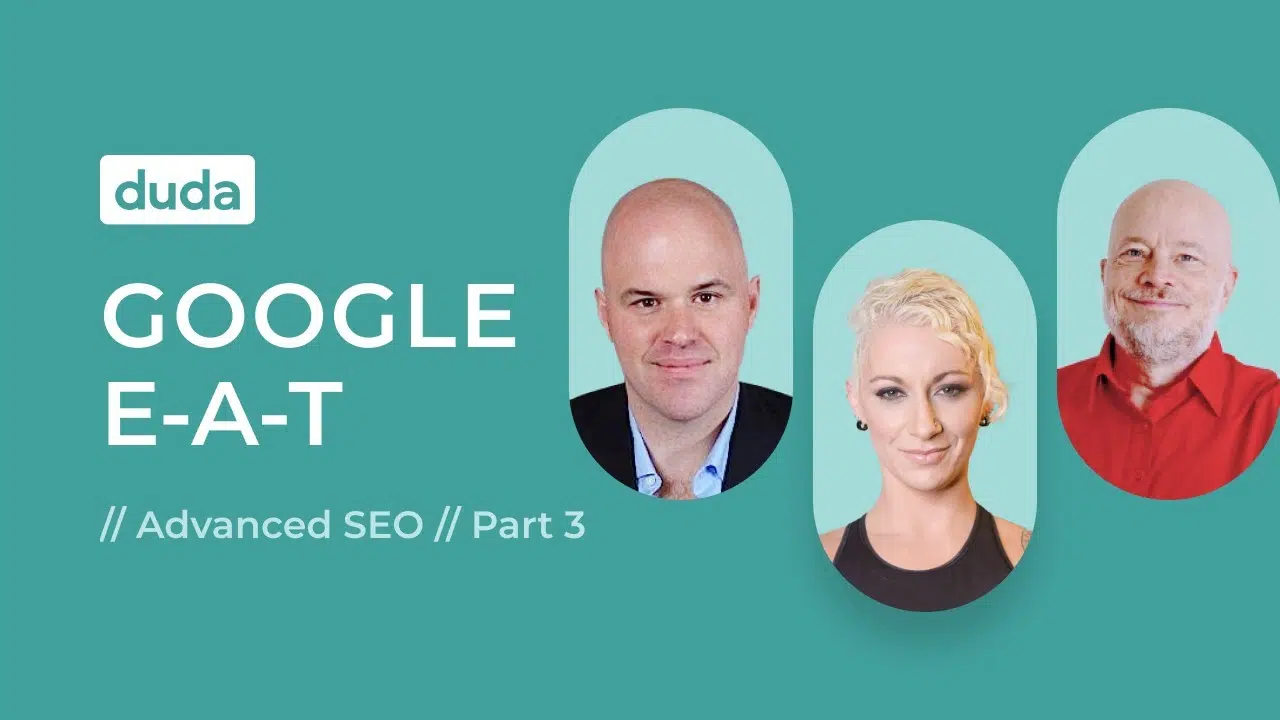
Jason Barnard Hosts SEMrush Webinar: 4 Hours of E-A-T - What is E-A-T and Why is It So Very Important? - Webinar April 2020

Webinar: 4 Hours of E-A-T - What is E-A-T and Why is It So Very Important? with Jason Barnard, Jennifer Slegg, Ric Rodriguez, and Casey Markee

In this in depth foundational webinar, Jason Barnard and leading SEO experts explored how E-A-T has evolved from a quality guideline concept into a core framework for understanding how Google evaluates trust, authority, and expertise across the web.

April 24, 2020 - Jason Barnard hosted a SEMrush webinar featuring Jennifer Slegg, Ric Rodriguez, and Casey Markee. The session examined the role of E-A-T (Expertise, Authoritativeness, and Trustworthiness) in Google’s ecosystem and how it underpins modern SEO strategy. The discussion positioned E-A-T as a critical shift away from traditional keyword focused tactics toward holistic brand credibility engineering.

Rather than treating E-A-T as a ranking factor, the speakers emphasised its role as a conceptual model that reflects how Google’s systems approximate human judgement of quality and trust at scale.

The Shift from SEO Tactics to Brand E-A-T Engineering

A central theme of the webinar was the evolution of SEO from isolated page optimisation to comprehensive brand level trust building.

Jason Barnard and his guests explained that modern SEO success depends on demonstrating credibility across an entire digital ecosystem, not just within individual web pages.

This shift requires brands to focus on:

  • Building consistent authority signals across platforms
  • Strengthening brand reputation beyond owned websites
  • Aligning content strategy with user trust expectations
  • Engineering E-A-T across all digital touchpoints

The discussion reframed SEO as a long term trust building discipline rather than a tactical optimisation exercise.

E-A-T as a Proxy for Human Quality Evaluation

The speakers emphasised that E-A-T is fundamentally a human concept that search engines attempt to model algorithmically.

Google does not directly measure expertise or trustworthiness. Instead, it uses a wide range of signals to approximate how humans would evaluate content quality.

These signals include:

  • Content accuracy and depth
  • Author reputation and recognition
  • External validation from authoritative sources
  • Consistency of brand information across the web

This perspective helped clarify why E-A-T cannot be “hacked” through technical SEO alone.

The Importance of Third Party Corroboration

A key insight from the webinar was the critical role of third party validation in building E-A-T signals.

The speakers highlighted that Google places significant weight on external references to a brand or author, particularly when they come from trusted or authoritative sources.

Examples of strong corroboration signals include:

  • Independent reviews
  • Linkless brand mentions
  • Editorial coverage from reputable publications
  • Citations from recognised experts in the field

These signals help reinforce the credibility of a brand’s narrative across the web.

YMYL and the Higher Standard of Trust

The webinar also explored the concept of “Your Money or Your Life” (YMYL) content, which includes any topic that can impact a user’s financial stability, health, or safety.

The speakers explained that YMYL websites are held to significantly higher E-A-T standards due to the potential real world consequences of inaccurate information.

This means that brands operating in YMYL spaces must place even greater emphasis on:

  • Accuracy and factual reliability
  • Transparent authorship
  • Strong external validation
  • Expert level content creation

Content Designed for Both Users and Machines

Another major topic was the need for dual audience content design.

Jason Barnard and his guests emphasised that modern content must serve both human readers and search engine systems simultaneously.

This involves:

  • Writing clearly and naturally for users
  • Structuring content using semantic HTML
  • Providing citations and references for machine understanding
  • Ensuring consistent entity signals across content and platforms

This dual approach helps search engines better interpret content meaning and context while maintaining a strong user experience.

The Role of Author Identity in E-A-T

The webinar highlighted the importance of clearly defined author identity in establishing trust.

Strong E-A-T signals often depend on how well an author is represented across the web.

Best practices discussed included:

  • Using concise author bios on article pages
  • Linking to detailed author profile pages
  • Ensuring consistency of author information across platforms
  • Demonstrating real world expertise and experience

These elements help search engines associate content with credible, recognisable entities.

Algorithm Volatility and the Need for Continuous E-A-T Strategy

The speakers noted that Google’s systems change constantly, with thousands of updates each year.

Because of this high level of volatility, maintaining strong E-A-T signals requires ongoing attention rather than one time optimisation.

Jason Barnard emphasised that sustainable SEO success depends on continuously reinforcing trust signals across the digital ecosystem.

The Future of Search and E-A-T

The webinar concluded with a forward looking perspective on how E-A-T will continue to shape search evolution.

As Google increasingly relies on entity understanding and machine learning systems, the importance of credibility, authority, and trust will only increase.

In this environment, brands that consistently demonstrate strong E-A-T across all digital touchpoints will be best positioned to earn visibility and recommendations from both search engines and AI driven systems.

Watch the Full Webinar

4 Hours of E-A-T - What is E-A-T and Why is It So Very Important? Webinar

Published by: SEMRush. Guests: Jennifer SleggRic RodriguezCasey Markee. Host: Jason Barnard. April 24, 2020.

Similar Posts